40+ Low Glycemic Foods to Stock in Your Kitchen
There's a piece of advice I give to every woman who comes to me frustrated that her numbers won't move despite eating "so well" — and it has nothing to do with trying harder.
It has to do with her kitchen.
Not a full overhaul. Not throwing everything out and starting over. Just a gradual shift toward stocking foods that work with her blood sugar. What I've seen in 12+ years of working with women on metabolic health is that foods within arm's reach will almost always win.
You don't need more willpower. You need a better-stocked kitchen.
This post gives you a practical starting point when following a low gi diet — 40+ low glycemic foods to build your grocery list around, organized by category so you can move through the store without overthinking it.
What "Low Glycemic" Actually Means (The Short Version)
The Glycemic Index (GI) measures how quickly a carbohydrate-containing food raises blood glucose after eating. Foods are scored on a scale of 0–100:
- Low GI: 55 or below
- Medium GI: 56–69
- High GI: 70 and above
Low GI foods are digested more slowly, which means a more gradual rise in blood sugar — and a more stable response overall. For women managing prediabetes, high A1C, or insulin resistance, this matters. A lot.¹
That said — the GI of a single food isn't the whole story. How you combine foods, when you eat, portion size, and what's happening in your body beneath the food all play a role in your blood sugar response. This is something I address directly in the Whole GI Protocol™, but for now: building a kitchen stocked with low GI staples gives you a strong foundation to work from.
A Note Before You Shop
I'm not going to hand you a list of "diet" foods, fat-free products, or artificial sweeteners. That's not what low glycemic eating looks like in my practice — or in my kitchen.
What you'll find below are real, whole foods. Most of them are things you probably already enjoy. The goal isn't to eat differently — it's to eat smarter, with foods that support your metabolism rather than stress it.
When possible, choose seasonal, local, organic, and non-GMO. Fresh or frozen both work. Don't let perfect be the enemy of a full cart.
If you're interested in the convenient brands and products I purchase, check out this resource: Brands Worth Keeping In Your Kitchen.
Vegetables
Non-starchy vegetables are the backbone of a low glycemic kitchen. Most have a GI so low they're essentially off the charts — and they bring fiber, antioxidants, and phytonutrients your blood sugar will thank you for.²
Stock these regularly:
Leafy greens (spinach, kale, bok choy, romaine, arugula), broccoli, cauliflower, asparagus, celery, green beans, okra, artichokes, mushrooms, radishes, zucchini, peppers (all colors), tomatoes, onions, shallots, cucumber, eggplant
Fruits
Fruit gets an unfair reputation in blood sugar conversations. Most whole fruits — especially when eaten as part of a balanced meal — have a moderate to low glycemic impact and bring real nutritional value.³
Lower GI choices to keep on hand:
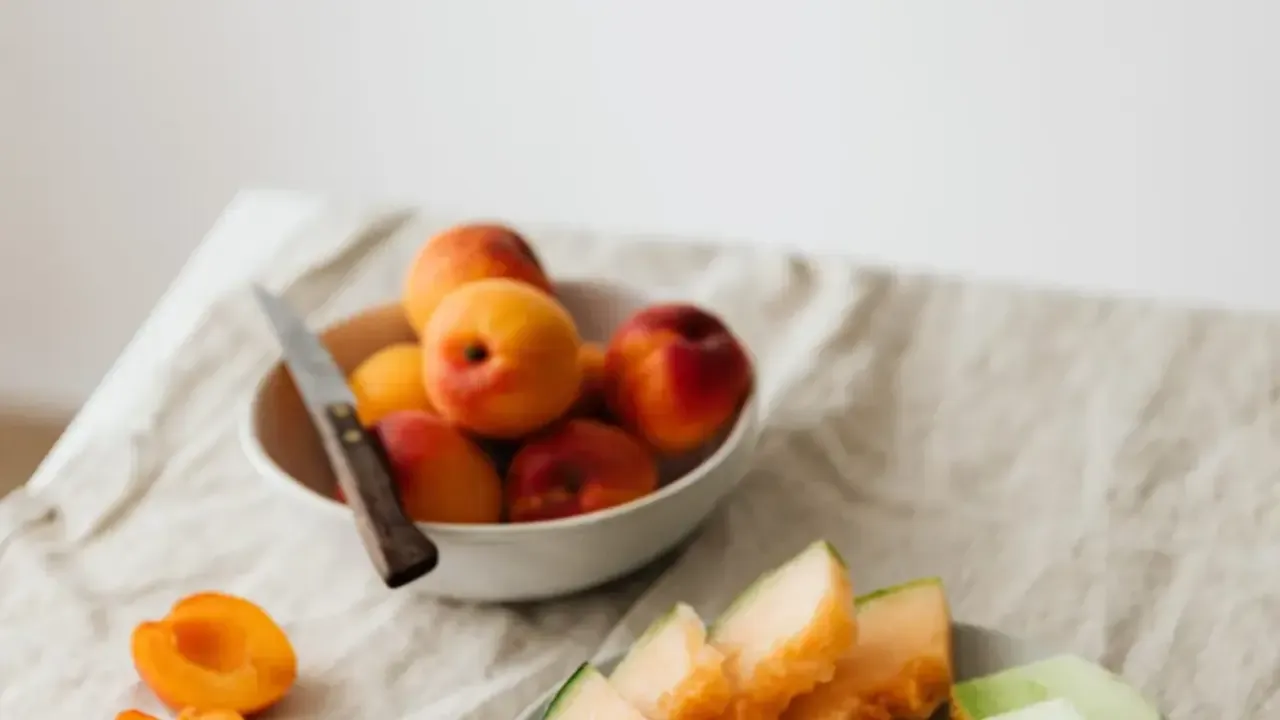
Berries (strawberries, blueberries, raspberries, blackberries), cherries, apples, pears, plums, peaches, apricots, kiwi, grapefruit, oranges
Higher sugar fruits like mango, watermelon, and grapes aren't off the table — just pair them with protein or fat to slow the glucose response.
Proteins
Proteins and fats don't carry a glycemic index — they don't raise blood sugar on their own. But they do something equally important: they slow the absorption of the carbohydrates you eat alongside them. Building meals around quality protein is one of the most practical things you can do for blood sugar stability.
Pantry and freezer staples:
- Chicken breast (fresh, frozen, or canned in water)
- Ground turkey (90% lean) or turkey breast
- White fish, salmon, shrimp, scallops
- Canned tuna or salmon in water
- Ground beef (80% lean or higher)
- Eggs
- Tofu and tempeh
- Beans and legumes: white beans, black beans, chickpeas, kidney beans, lentils *(these do contain carbohydrates, but they're low GI and high in fiber — a good combination)*⁴
Whole Grains
Not all carbs are created equal. Whole grains digest more slowly than their refined counterparts, which means a more gradual blood sugar response. The key is portion awareness — even a low GI grain can spike your numbers if you're eating a large enough quantity.
Reliable low GI grain options:
Steel cut oats, barley, quinoa, brown rice, whole grain bread (look for 100% whole grain as the first ingredient), whole grain wraps or tortillas, whole grain or chickpea pasta
Healthy Fats
Like protein, fat doesn't raise blood sugar — and it plays an important role in slowing glucose absorption when paired with carbohydrates. It's also essential for hormone production, which matters more than most people realize when we're talking about blood sugar regulation.⁵
Keep these stocked:
Olive oil, avocado oil, avocado (fresh or in guacamole), ghee, nuts (almonds, walnuts, cashews, pistachios), seeds (chia, flax, hemp, pumpkin), natural nut butters (no added sugar)
Dairy and Alternatives
Unsweetened dairy products tend to be low GI and high in protein — a useful combination. If you're dairy-free, unsweetened plant-based options work well in most applications.
Good options:
Greek yogurt (unsweetened, plain), plain whole milk yogurt, unsweetened almond milk, unsweetened oat milk (in moderation — higher GI than almond), unsweetened coconut milk
Always check labels for added sugars. "Vanilla" or flavored yogurts are usually not your friend here.
Low Glycemic Superfoods Worth Adding
These aren't trendy extras — they're legitimately useful additions if you're working on blood sugar and metabolic health:
Chia seeds — High in soluble fiber, which slows glucose absorption⁶
Flaxseeds — Lignans and fiber that support hormone balance⁷
Hemp seeds — Complete protein with a favorable fat profile
Cacao nibs — Antioxidant-rich, no added sugar, low GI
Goji berries — Lower sugar than most dried fruits, high in antioxidants
Maca — An adaptogen with some evidence for supporting hormonal balance⁸
What to Drink
Blood sugar and hydration are more connected than most people think. Sugary drinks — even "natural" ones like juice — can spike glucose faster than almost any food.
Keep it simple:
Water (still or sparkling), unsweetened herbal tea, unsweetened iced tea, black coffee (in moderation)
How to Use This List
You don't need to buy everything at once. Start with the categories that feel most approachable — proteins and vegetables are usually the easiest entry point — and build from there.
A few practical notes from what I do with my own clients:
Pair foods intentionally. A piece of fruit on its own will hit your blood sugar differently than the same fruit eaten with a handful of almonds or a spoonful of nut butter. Combining protein, fat, and fiber with any carbohydrate slows the glucose response.
Don't stress perfection. A kitchen full of low GI staples makes the right choice the easy choice. That's the whole point. You're not building a meal plan you have to follow perfectly — you're building an environment that supports you.
Check what you already have. Chances are you're closer than you think. Most health-conscious kitchens already have a solid foundation of low GI foods — they just need a few intentional additions.
If you want to take your food foundation further and understand what's actually driving your blood sugar numbers — including the non-food factors like sleep, stress, and hormones — the Whole GI Protocol™ walks you through all of it, layer by layer.
And if you'd like more guidance on low glycemic living sent straight to your inbox — meal ideas, practical tips, and the kind of content I only share with my community — you're welcome to join the newsletter at wellandeasy.com.

Frequently Asked Questions
What makes a food "low glycemic"? A food is considered low GI if it scores 55 or below on the Glycemic Index scale — meaning it raises blood glucose slowly and gradually after eating. Most non-starchy vegetables, legumes, and whole grains fall into this category.
Do I need to eat only low GI foods? No. Low glycemic eating isn't about strict elimination — it's about building meals that are predominantly made up of foods that support blood sugar stability. High GI foods can be balanced by pairing them with protein, fat, and fiber.
Are low glycemic foods the same as low carb? Not exactly. Low GI eating focuses on how carbohydrates affect blood sugar, not on eliminating carbohydrates entirely. Many high-carb foods (like beans and oats) are actually low GI. This is a meaningful distinction for women who don't want to cut carbs completely.
Can eating low GI foods help with prediabetes? Research supports low GI dietary patterns as beneficial for blood glucose management and reducing the risk of progression to type 2 diabetes.⁹ That said, food is one piece of the picture — always work with your healthcare provider on any changes to your diet or protocol.
Is this approach appropriate if I'm already on medication? Always check with your doctor or healthcare provider before making significant dietary changes, especially if you're managing blood sugar with medication. Low GI eating can be complementary to medical treatment, but it's not a replacement for it.
Sources
- Atkinson FS, Foster-Powell K, Brand-Miller JC. "International tables of glycemic index and glycemic load values: 2008." Diabetes Care. 2008;31(12):2281–2283. https://doi.org/10.2337/dc08-1239
- Slavin J, Lloyd B. "Health benefits of fruits and vegetables." Advances in Nutrition. 2012;3(4):506–516. https://doi.org/10.3945/an.112.002154
- Muraki I, et al. "Fruit consumption and risk of type 2 diabetes: results from three prospective longitudinal cohort studies." BMJ. 2013;347:f5001. https://doi.org/10.1136/bmj.f5001
- Rizkalla SW, et al. "Improved plasma glucose control, whole-body glucose utilization, and lipid profile on a low-glycemic index diet in type 2 diabetic men." Diabetes Care. 2004;27(8):1866–1872. https://doi.org/10.2337/diacare.27.8.1866
- Astrup A, et al. "Dietary fats and cardiometabolic health: evidence, controversies, and consensus for guidance." BMJ. 2019;366:l4137. https://doi.org/10.1136/bmj.l4137
- Vuksan V, et al. "Supplementation of conventional therapy with the novel grain Salba (Salvia hispanica L.) improves major and emerging cardiovascular risk factors in type 2 diabetes." Diabetes Care. 2007;30(11):2804–2810. https://doi.org/10.2337/dc07-1144
- Hutchins AM, Martini MC, Olson BA, Thomas W, Slavin JL. "Flaxseed consumption influences endogenous hormone concentrations in postmenopausal women." Nutrition and Cancer. 2001;39(1):58–65. https://doi.org/10.1207/S15327914nc391_8
- Gonzales GF. "Ethnobiology and ethnopharmacology of Lepidium meyenii (Maca), a plant from the Peruvian Highlands." Evidence-Based Complementary and Alternative Medicine. 2012;2012:193496. https://doi.org/10.1155/2012/193496
- Livesey G, et al. "Glycemic response and health—a systematic review and meta-analysis: relations between dietary glycemic properties and health outcomes." American Journal of Clinical Nutrition. 2008;87(1):258S–268S. https://doi.org/10.1093/ajcn/87.1.258S
About the Author
Jen Polk, H.H.C. is an IIN Certified Health Coach and integrative nutrition practitioner specializing in low glycemic nutrition, insulin resistance, and metabolic health for women 35+. She founded Well + Easy in 2011, and has spent over 12 years helping women stabilize blood sugar and release weight through her signature Whole GI Protocol™. Her work reaches more than 20,000 subscribers through Well + Easy and her newsletter, Living Low GI. All content on this site reflects Jen's professional training, personal experience reversing insulin resistance, and 12+ years of client work in metabolic health.
This content is for informational purposes only and is not a substitute for professional medical advice. Always consult your healthcare provider before making changes to your diet or health protocol.