The Low Glycemic Baking Ingredients I Keep in My Kitchen Year-Round
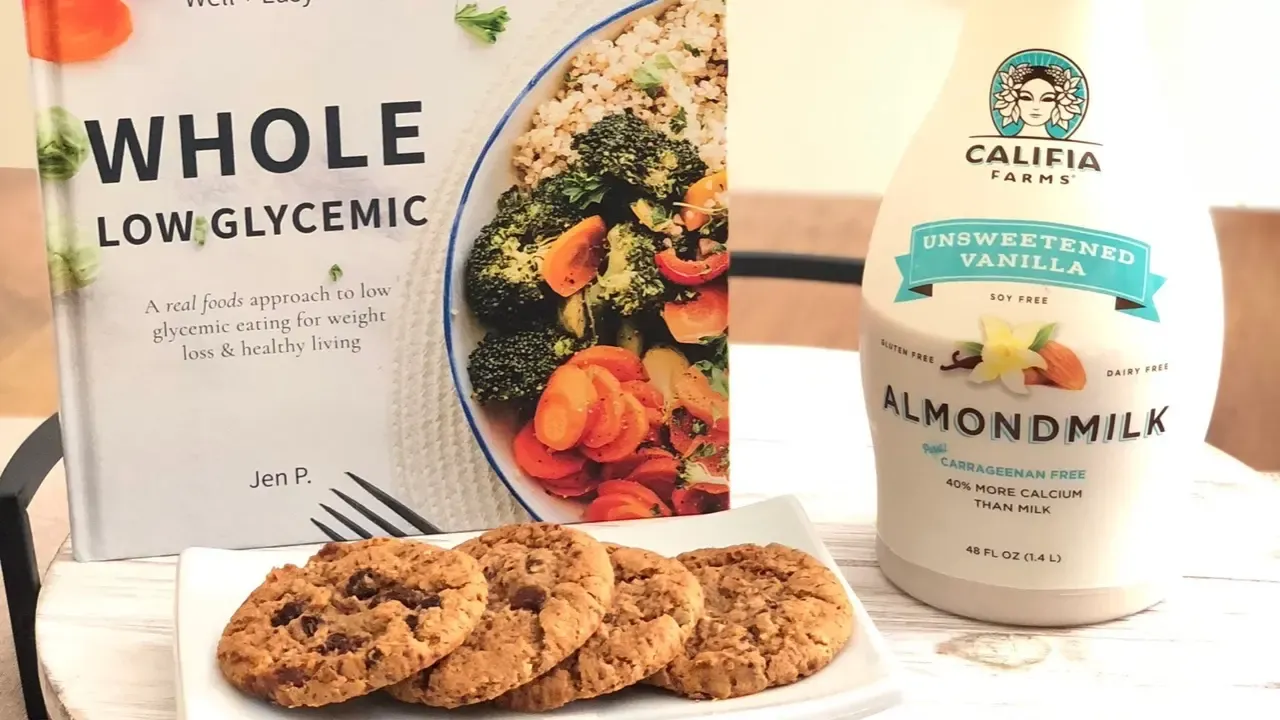
I'll be honest — I'm not a baker by nature. But I love a good dessert, and I wasn't willing to give that up when I started living low glycemic. So over the years, I've built out a kitchen that makes it easy to bake something delicious without sending my blood sugar on a ride.
These are the actual ingredients I keep on hand. Not a sponsored list, not a "here are 47 alternatives" situation — just the staples that work, that I use regularly, and that make a real difference in how baked goods affect your numbers.
If you're managing high blood sugar, prediabetes, or insulin resistance, what you bake with matters as much as what you bake. The glycemic load of a recipe is built ingredient by ingredient — and swapping even two or three of these in changes the whole picture.
Essential sweeteners
Sweetness is the whole point of dessert. I'm not here to tell you to give it up. But the source of that sweetness — and how your body processes it — makes a real difference when you're working on your numbers.
- Maple syrup or maple sugar. Real maple syrup is one of the more straightforward sweeteners out there. It comes from maple tree sap, boiled into a concentrate, and it lands lower on the glycemic index than refined cane sugar. It also brings along a small but meaningful mineral profile — manganese, zinc, and antioxidant compounds. I use it as a 1:1 swap for brown sugar in most recipes.
- Raw honey. This is different from the pasteurized honey sitting in a plastic bear at the grocery store. Raw honey comes straight from the honeycomb, unpasteurized, and still contains bee pollen, enzymes, antioxidants, and trace minerals. Buy local when you can — it's worth it.
- Naturally sweet flavorings — pure vanilla or almond extract. These aren't technically sweeteners, but they do something important: they read as sweet to your palate without adding sugar. A good vanilla extract in a cookie or brownie recipe means you can reduce the overall sweetener and still get that dessert feeling. Look for pure extract, not imitation.
Essential flours for healthy baking
All-purpose white flour is a fast-digesting carbohydrate — not ideal when you're trying to keep blood glucose steady. I keep a few alternatives on hand depending on what I'm making. Each one behaves a little differently, so I recommend using Pinterest to find recipes specifically developed with these flours rather than doing a straight swap.
- Oat flour. My most-used flour. It's made from whole oats — either store-bought or blended yourself (oats in a blender, sifted, done) — and it has a smooth texture that works beautifully in pancakes, muffins, and cookies. It's a whole grain flour, so it brings fiber and a more gradual glucose response than refined flour.
- Chickpea flour. Stone-ground garbanzo beans. It's high in protein and fiber, and it adds a subtle savory depth that works especially well in denser baked goods. More nutrients than all-purpose flour, and naturally gluten free.
- Almond flour. Ground blanched almonds. Low carb, gluten free, and high in protein, fiber, and healthy fat — which all slow digestion and help moderate blood sugar response. It adds moisture and a mild nutty flavor. If you don't have a nut allergy, this one is a go-to.
- Coconut flour. High in fiber and healthy fat. It absorbs a lot of liquid, so recipes made with it usually need adjustment — but it's excellent for pancakes and quick breads when used in a tested recipe.
Essential liquids
Most baking recipes don't call for a lot of liquid, so this category is more about enhancement than substitution. I don't think it's necessary to go dairy free — but if you are, or you simply want to add more nutrition to what you're making, these are worth keeping around. Look for non-GMO and organic options when you can.
- Oat milk. Made from soaked whole oats, blended and strained. Rich, creamy, and mild — it's my favorite dairy-free milk for baking and beyond.
- Nut milk. Almond, cashew, macadamia — all made by soaking nuts, blending, and straining. One thing to watch: not all store-bought nut milks are created equal. Some contain additives like carrageenan (a thickening agent) that I'd rather avoid. Making your own is simple, or read labels carefully.
- Pea milk. Thick, creamy, and made from yellow split peas. It's high in protein and free of common allergens like gluten and nuts. It's also said to be more environmentally friendly than almond milk — which gives it a thumbs up in my book. My partner swears by it for mochas.
Essential fats
Fat is what gives baked goods their texture, richness, and staying power — and the right fats also slow glucose absorption, which is exactly what you want when you're baking low glycemic. These are my go-to's. Consistency matters here, so it's worth researching which fat works best for what you're making.
- Nut butters and nut oils. Made from ground nuts, these are high in monounsaturated fats and bring a host of vitamins and minerals along with them. They add richness and a subtle nutty flavor to brownies, cookies, and energy bites.
- Coconut oil. Extracted from mature coconut meat, coconut oil is high in saturated fat and very stable — meaning it resists oxidation and doesn't go rancid quickly. It has a distinct coconut flavor, so it works best in recipes where that's welcome.
- Ghee. Clarified butter with most of the dairy proteins and lactose removed, which makes it more tolerable for people with dairy sensitivities. It has a deep, nutty, buttery flavor and works beautifully as a 1:1 butter substitute in most recipes.
- Extra virgin olive oil. A kitchen staple for good reason. When buying, look for certified organic — cheaper brands often dilute EVOO with vegetable oils. A quick freshness test: put the bottle in the fridge for 24 hours. Real olive oil will begin to solidify.
Healthy baking ingredients: add-ins
These are the extras I reach for when I want to deepen the flavor or nutrition of something I'm baking. All of them are nutrient-dense and worth having around.
- Raw cacao powder or raw cacao nibs — less processed than cocoa powder, with more antioxidant activity
- Unsweetened peanut butter or powdered peanut butter — adds protein and healthy fat without added sugar
- Unsweetened coconut flakes — texture, flavor, and healthy fat in one
- Flaxseeds, chia seeds, and hemp seeds — keep these refrigerated to preserve their fat quality
As long as you keep these ingredients stocked, you can turn almost any craving into something your body will actually thank you for — from oatmeal cookies to quick breads. Experiment freely, but these staples will take you a long way.
One thing worth saying: having the right ingredients is a great start — but blood sugar management isn't only a baking problem. What you eat matters, and so does how and when you eat it, plus the non-food factors — sleep, stress, inflammation, hormones — that quietly keep your numbers elevated even when your diet is solid. That's the foundation of the Whole GI Protocol™: a two-layer framework that addresses both the dietary side and the root causes underneath. If your numbers aren't moving despite eating well, it's worth understanding the full picture.
And if you want more low glycemic recipes, practical swaps, and metabolic health guidance delivered regularly, join the Well + Easy Email Series— that's where I share what's working for my clients and what I'm doing in my own kitchen.

Sources
- Jenkins DJ, et al. Glycemic index of foods: a physiological basis for carbohydrate exchange. Am J Clin Nutr. 1981. https://pubmed.ncbi.nlm.nih.gov/6259925/
- Alvarez-Suarez JM, et al. The composition and biological activity of honey. Molecules. 2010. https://pubmed.ncbi.nlm.nih.gov/20657484/
- Tosh SM. Review of human studies investigating the post-prandial blood-glucose lowering ability of oat and barley food products. Eur J Clin Nutr. 2013. https://pubmed.ncbi.nlm.nih.gov/23719560/
- Jukanti AK, et al. Nutritional quality and health benefits of chickpea. Br J Nutr. 2012. https://pubmed.ncbi.nlm.nih.gov/22916806/
- Jenkins DJ, et al. Almonds decrease postprandial glycemia, insulinemia, and oxidative damage in healthy individuals. J Nutr. 2006. https://pubmed.ncbi.nlm.nih.gov/16614421/
- Trinidad TP, et al. The potential health benefits of coconut flour. Br J Nutr. 2006. https://pubmed.ncbi.nlm.nih.gov/16277773/
- Bhattacharyya S, et al. Exposure to the common food additive carrageenan leads to glucose intolerance. Diabetologia. 2012. https://pubmed.ncbi.nlm.nih.gov/22802057/
- Garg A. High-monounsaturated-fat diets for patients with diabetes mellitus. Am J Clin Nutr. 1998. https://pubmed.ncbi.nlm.nih.gov/9625084/
- Vuksan V, et al. Salba-chia reduces cardiovascular risk factors in type 2 diabetes. Diabetes Care. 2007. https://pubmed.ncbi.nlm.nih.gov/17536078/
About the Author
Jen Polk, H.H.C. is an IIN Certified Health Coach and integrative nutrition practitioner specializing in low glycemic nutrition, insulin resistance, and metabolic health for women 35+. She founded Well + Easy in 2011, and has spent over 12 years helping women stabilize blood sugar and release weight through her signature Whole GI Protocol™. Her work reaches more than 20,000 subscribers through Well + Easy and her newsletter, Living Low GI. All content on this site reflects Jen's professional training, personal experience reversing insulin resistance, and 12+ years of client work in metabolic health.
This content is for informational purposes only and is not a substitute for professional medical advice. Always consult your healthcare provider before making changes to your diet or health protocol.