Manuka Honey for Diabetes: How Manuka Honey Can Aid in Diabetes Management
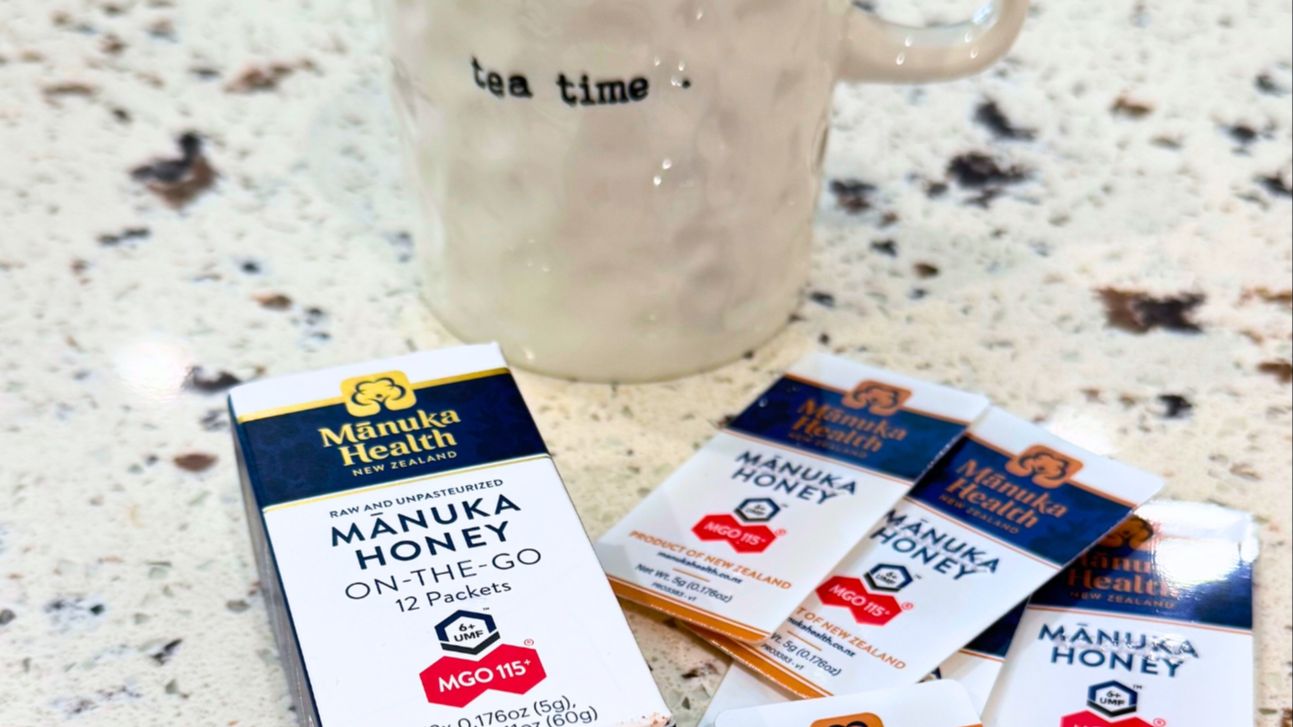
In the quest for natural solutions to manage diabetes, many are turning to the unique properties of Manuka honey. This remarkable honey, derived from the nectar of the Manuka tree in New Zealand, is more than just a sweetener; it offers potential health benefits that may aid in diabetes management. Rich in antioxidants and exhibiting anti-inflammatory qualities, Manuka honey has garnered attention for its ability to support metabolic health and regulate blood sugar levels. As individuals increasingly seek alternatives to traditional medications, exploring how Manuka honey can be incorporated into a diabetes-friendly lifestyle is timely and essential. Join us as we delve into the fascinating world of Manuka honey, uncovering its beneficial properties and practical applications in managing diabetes effectively.
Table of Contents
- Understanding Diabetes: Types and Symptoms
- The Nutritional Profile of Manuka Honey
- How Manuka Honey Affects Blood Sugar Levels
- Antioxidant and Anti-Inflammatory Properties of Manuka Honey
- Research Studies on Manuka Honey and Diabetes
- How to incorporating Manuka Honey into Your Diet
- Potential Risks and Considerations
- Expert Opinions on Manuka Honey for Diabetes Management
- Conclusion: Is Manuka Honey a Viable Option for Diabetics?
Understanding Diabetes: Types and Symptoms
Diabetes is a chronic condition that affects millions of people worldwide. It is characterized by the body’s inability to regulate blood sugar levels properly. There are two main types of diabetes: Type 1 and Type 2. Type 1 diabetes is an autoimmune condition where the body attacks insulin-producing cells in the pancreas, leading to little or no insulin production. This type often develops in childhood or early adulthood. On the other hand, Type 2 diabetes is more common and usually develops later in life. It is primarily linked to lifestyle factors and is characterized by insulin resistance, where the body’s cells do not respond effectively to insulin.
The symptoms of diabetes can vary but commonly include increased thirst, frequent urination, extreme fatigue, and blurred vision. In some cases, people may experience slow healing of wounds, unexplained weight loss, and recurrent infections. Understanding these symptoms is crucial for early diagnosis and management. If left untreated, diabetes can lead to severe complications such as heart disease, kidney failure, and nerve damage.
Proper management of diabetes involves a combination of medication, lifestyle changes, and dietary adjustments. Monitoring blood sugar levels regularly and maintaining a balanced diet are essential steps in managing the condition effectively. As people search for natural and complementary therapies to support their diabetes management, Manuka honey has emerged as a potential ally due to its unique properties.
The Nutritional Profile of Manuka Honey
Manuka honey is not your average honey. It is produced by bees that pollinate the Manuka tree, native to New Zealand. This honey is renowned for its distinctive flavor and significant health benefits. One of the key components of Manuka honey is methylglyoxal (MGO), a compound that is believed to contribute to its antibacterial properties. The Unique Manuka Factor (UMF) rating system measures the concentration of MGO and other beneficial compounds, helping consumers identify the potency of the honey.
In addition to MGO, Manuka honey is rich in various nutrients, making it a valuable addition to a healthy diet. It contains vitamins such as B vitamins (B6, thiamine, niacin, riboflavin, and pantothenic acid), essential amino acids, and minerals like calcium, magnesium, potassium, and zinc. These nutrients play a vital role in supporting overall health and well-being.
Manuka honey also boasts a range of antioxidants, which help to combat oxidative stress and inflammation in the body. The presence of phenolic compounds, flavonoids, and other bioactive molecules further enhances its health-promoting properties. Due to its complex nutritional profile, Manuka honey has gained attention as a natural remedy for various health conditions, including diabetes.
How Manuka Honey Affects Blood Sugar Levels
One of the primary concerns for individuals with diabetes is the impact of any food or supplement on their blood sugar levels. Conventional wisdom suggests that sweeteners, including honey, can cause a spike in blood glucose levels. However, Manuka honey may present a different case due to its unique composition and bioactive compounds.
Studies have shown that Manuka honey has a lower glycemic index (GI) compared to regular sugar and some other types of honey. The glycemic index is a measure of how quickly a carbohydrate-containing food raises blood glucose levels. Foods with a lower GI are digested and absorbed more slowly, leading to a gradual rise in blood sugar. This makes Manuka honey a potentially better option for people with diabetes who want to enjoy a natural sweetener without causing significant spikes in their blood sugar.
Furthermore, some research suggests that Manuka honey may help in improving insulin sensitivity. Insulin sensitivity refers to how effectively the body’s cells respond to insulin. Improved insulin sensitivity means that the body can regulate blood glucose levels more efficiently, which is crucial for managing diabetes. While more research is needed to fully understand the mechanisms involved, these preliminary findings are promising and warrant further investigation.
Antioxidant and Anti-Inflammatory Properties of Manuka Honey
Inflammation and oxidative stress are two significant factors that contribute to the complications associated with diabetes. Chronic inflammation can lead to insulin resistance and damage to blood vessels, while oxidative stress can cause cellular damage and exacerbate diabetic complications. Manuka honey’s antioxidant and anti-inflammatory properties make it a valuable addition to a diabetes management plan.
The antioxidants in Manuka honey, such as phenolic acids and flavonoids, play a crucial role in neutralizing free radicals and reducing oxidative stress. These antioxidants help protect the body’s cells from damage and support overall metabolic health. By reducing oxidative stress, Manuka honey may help mitigate some of the complications associated with diabetes.
Moreover, Manuka honey’s anti-inflammatory properties can help reduce chronic inflammation that is often observed in individuals with diabetes. Inflammation can lead to insulin resistance and exacerbate the condition, making it harder to manage blood sugar levels. By incorporating Manuka honey into their diet, individuals with diabetes may benefit from its ability to reduce inflammation and support overall metabolic health.
Research Studies on Manuka Honey and Diabetes
Several research studies have explored the potential benefits of Manuka honey in managing diabetes. While more extensive clinical trials are needed, the existing body of research provides valuable insights into how Manuka honey may aid in diabetes management.
One study published in the Journal of Medicinal Food examined the effects of Manuka honey on diabetic rats. The researchers found that Manuka honey improved wound healing in diabetic rats, suggesting its potential in managing diabetic ulcers. Another study published in the journal Food and Chemical Toxicology investigated the effects of Manuka honey on oxidative stress and inflammation in diabetic rats. The results indicated that Manuka honey reduced markers of oxidative stress and inflammation, supporting its potential as a complementary therapy for diabetes.
In a human study published in the International Journal of Food Sciences and Nutrition, researchers investigated the effects of honey on blood glucose levels in healthy individuals and those with impaired glucose tolerance. The study found that honey had a lower glycemic response compared to glucose, indicating its potential as a better alternative sweetener for individuals with diabetes. While this study did not focus specifically on Manuka honey, it provides valuable insights into the potential benefits of honey in general.
How to Incorporate Manuka Honey into Your Diet
While Manuka honey offers potential benefits for individuals with diabetes, it is essential to incorporate it into the diet mindfully. Moderation is key, as excessive consumption of any type of sweetener can lead to adverse effects on blood sugar levels. Here are some practical tips for incorporating Manuka honey into a diabetes-friendly diet.
Firstly, start with small amounts.
- Begin by adding a teaspoon of Manuka honey to your tea, yogurt, or oatmeal.
- Monitor your blood sugar levels closely to see how your body responds.
- If your blood sugar levels remain stable, you can gradually increase the amount. However, it is crucial to stay within the recommended daily intake and avoid overconsumption.
Secondly, consider using Manuka honey as a substitute for other sweeteners.
- Instead of using refined sugar or artificial sweeteners, opt for a small amount of Manuka honey to sweeten your beverages or recipes.
- This can help reduce your overall sugar intake while still enjoying a touch of sweetness.
Lastly, pair Manuka honey with other nutritious foods.
- Combining Manuka honey with high-fiber foods like whole grains, fruits, and vegetables can help slow down the absorption of sugar into the bloodstream.
- This can lead to a more gradual rise in blood sugar levels and provide a balanced source of energy.
Potential Risks and Considerations
While Manuka honey offers several potential benefits, it is essential to consider the potential risks and limitations, especially for individuals with diabetes. One of the primary concerns is its sugar content. Although Manuka honey has a lower glycemic index compared to regular sugar, it is still a source of carbohydrates and can impact blood sugar levels. Therefore, it is crucial to use it in moderation and monitor blood sugar levels closely.
Another consideration is the quality and authenticity of Manuka honey. Due to its popularity and high market value, there have been instances of counterfeit Manuka honey products. To ensure you are getting genuine Manuka honey, look for the UMF or MGO rating on the label. These ratings indicate the concentration of beneficial compounds and the authenticity of the product.
Additionally, individuals with allergies to bee products should exercise caution when consuming Manuka honey. While allergies to honey are rare, they can occur. If you experience any allergic reactions such as itching, swelling, or difficulty breathing after consuming Manuka honey, discontinue use immediately and consult a healthcare professional.
Expert Opinions on Manuka Honey for Diabetes Management
Healthcare professionals and nutrition experts have weighed in on the potential benefits and considerations of incorporating Manuka honey into a diabetes management plan. While opinions vary, some experts recognize the potential of Manuka honey as a complementary therapy for diabetes.
Dr. Sarah Brewer, a medical nutritionist, suggests that Manuka honey’s low glycemic index and antioxidant properties make it a potentially suitable sweetener for individuals with diabetes. She emphasizes the importance of moderation and monitoring blood sugar levels to ensure that it does not cause significant spikes. Dr. Brewer also highlights the need for more extensive clinical trials to establish definitive guidelines for its use in diabetes management.
Registered dietitian and diabetes educator, Susan Weiner, recommends that individuals with diabetes consult their healthcare provider before incorporating Manuka honey into their diet. She acknowledges the potential benefits but emphasizes the importance of personalized advice based on individual health conditions and treatment plans. Weiner also stresses the need for quality assurance and choosing authentic Manuka honey products.
Overall, while experts recognize the potential benefits of Manuka honey for diabetes management, they emphasize the importance of individual assessment and moderation. Consulting with healthcare providers and monitoring blood sugar levels are crucial steps in ensuring the safe and effective use of Manuka honey.
Conclusion: Is Manuka Honey a Viable Option for Diabetics?
Manuka honey presents a fascinating and potentially valuable option for individuals with diabetes who are seeking natural ways to manage their condition. Its unique nutritional profile, low glycemic index, and antioxidant and anti-inflammatory properties make it an intriguing addition to a diabetes-friendly lifestyle. While research on its effects on diabetes is still in its early stages, the existing studies provide promising insights.
That said, it is essential to approach the incorporation of Manuka honey into the diet with caution. Moderation is key, as excessive consumption can still impact blood sugar levels. Choosing authentic Manuka honey products with verified UMF or MGO ratings ensures that you are getting the genuine benefits of this remarkable honey.
Ultimately, Manuka honey should be viewed as a complementary approach to diabetes management rather than a standalone solution. It is crucial to consult with healthcare providers, monitor blood sugar levels, and make informed decisions based on individual health conditions. By doing so, individuals with diabetes can harness the potential benefits of Manuka honey while maintaining a balanced and healthy lifestyle.
As the interest in natural remedies continues to grow, Manuka honey stands out as a unique and promising option. With its rich nutritional profile and potential health benefits, it offers a sweet solution that goes beyond traditional sweeteners. By exploring the world of Manuka honey, individuals with diabetes can take a proactive step towards better health and well-being.
About the Author
Jen Polk, H.H.C. is an IIN Certified Health Coach and integrative nutrition practitioner specializing in low glycemic nutrition, insulin resistance, and metabolic health for women 35+. She founded Well + Easy in 2011, and has spent over 12 years helping women stabilize blood sugar and release weight through her signature Whole GI Protocol™. Her work reaches more than 20,000 subscribers through Well + Easy and her newsletter, Living Low GI. All content on this site reflects Jen's professional training, personal experience reversing insulin resistance, and 12+ years of client work in metabolic health.
This content is for informational purposes only and is not a substitute for professional medical advice. Always consult your healthcare provider before making changes to your diet or health protocol.